Large-scale retrofit, delivered at pace – Stories from three recipients

ThamesWey’s impartial energy efficiency advice service – Action Surrey has continued to deliver domestic energy efficiency services on behalf of the partnership of Surrey local authorities. Since the spring, Action Surrey has carried out the second phase of the Local Authority Delivery Green Homes Grant project, further helping residents to upgrade the energy performances of their homes through the installation of loft insulation, cavity wall insulation, underfloor insulation, solar photovoltaic panels and solar thermal systems. The scheme, aimed at reducing the energy demands and carbon emissions of residential properties across Surrey, has enabled the installation of 216 energy efficiency measures for 129 households, at no cost to the householder. Read on to hear what some of the grant recipients had to say. 

Mr Everington – Surrey Heath 

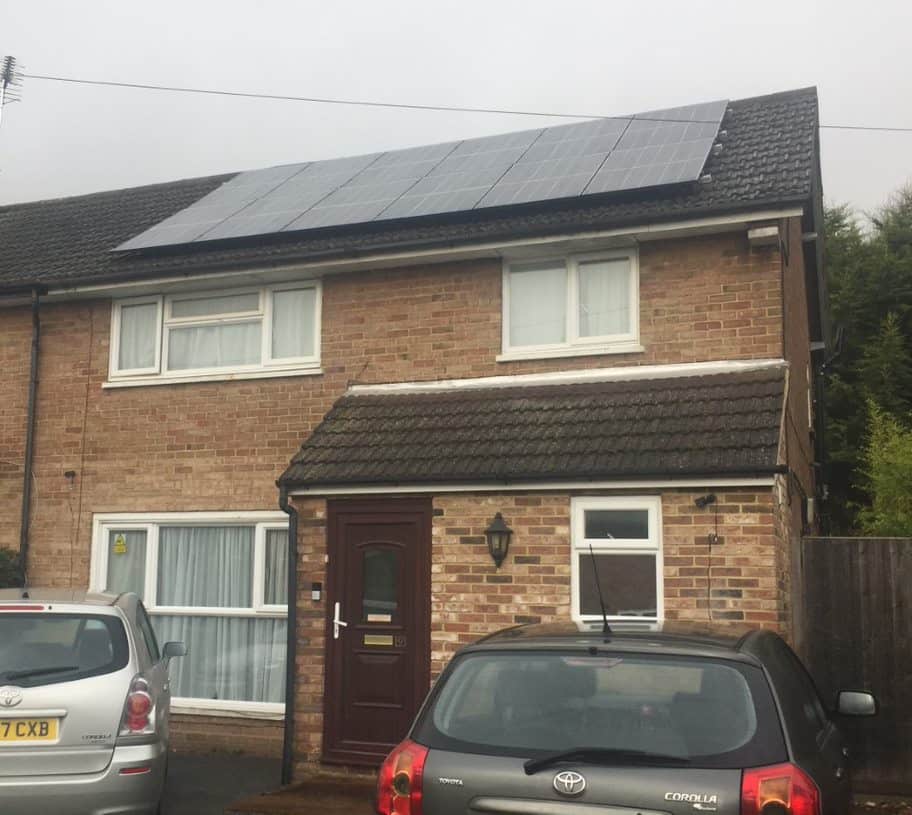
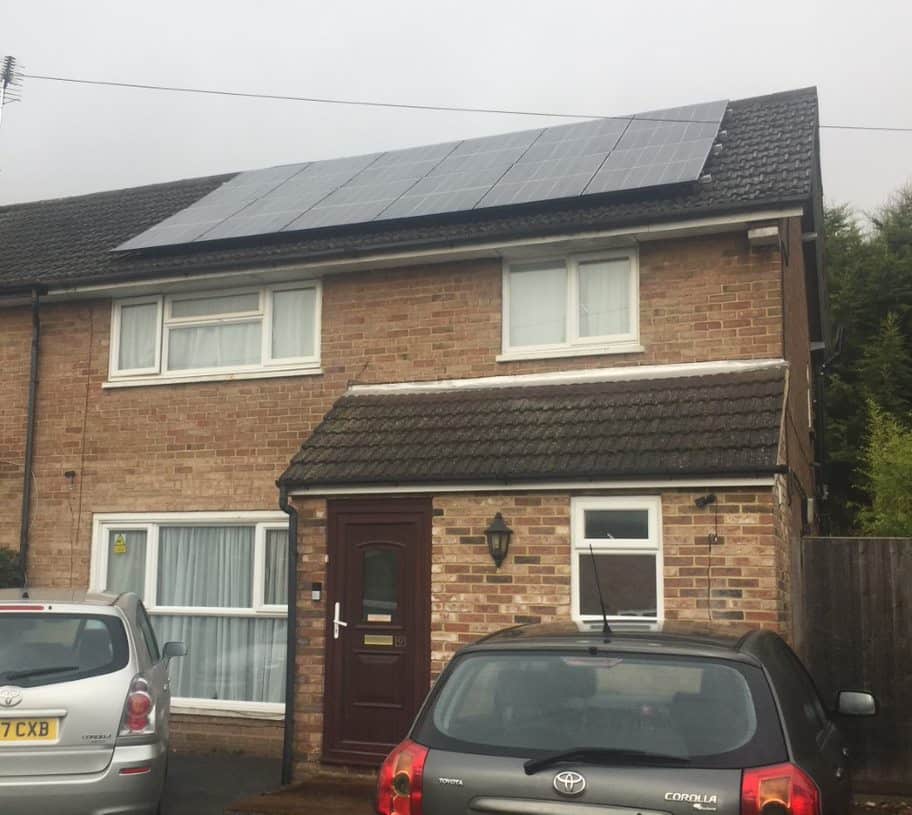
Mr Everington in Camberley applied for funding to increase the overall efficiency of his house. After an initial survey, Mr. Everington was not only eligible for loft and cavity wall insulation, but was also able to have solar panels too. A total of 8 solar panels were installed to the front and rear of his home, meaning he will be producing free electricity whilst staying nice and warm this winter. 

Having access to green, renewable energy has been a delight for Mr Everington, who found the process was efficiently carried out by Action Surrey: 

“It will make a considerable difference to me financially and I can look forward to a warmer winter in my home.  With soaring energy costs, the timing of this couldn’t be more appreciated and will ease my anxiety around rising energy costs.”  

 Mr Everington also commented on the quality and efficiency of the workmanship. He found that the contractors arrived punctually and were very polite and respectful of his property. He also noted that the work was completed according to the expected timescale and that he would have no hesitation in recommending Action Surrey in the future. 
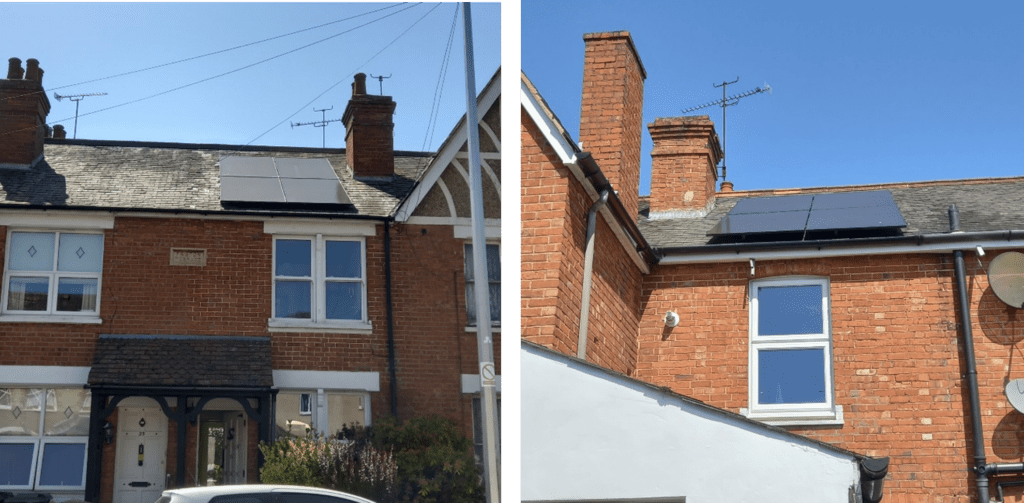
Mr Everington's solar photovoltaic installation - front and rear aspects of the property.

Mr Willingale – Elmbridge

Mr Willingale from West Molesey was equally delighted to have been accepted for funding to install solar photovoltaic panels. After having 10 panels installed totalling an output of 4 kW, Mr Willingale told the Action Surrey team that he is already noticing a significant reduction in his electrical demand from the grid. Expected energy bill reductions for the household are expected to be £291, with a reduction in CO2 emissions of 1.4tCO2e.

“I am now a proud participant in the drive to reduce carbon emissions and benefit from the cost reduction in my electricity bill.”

When asked about his experience with the installation, Mr Willingale commented that the nominated installers were extremely helpful, always available and informative, leaving a wonderful overall review of the scheme. He is now preparing to sign up for the Smart Export Guarantee scheme, allowing him to sell any unused electricity back to the grid for an agreed upon tariff, further supporting his energy costs.
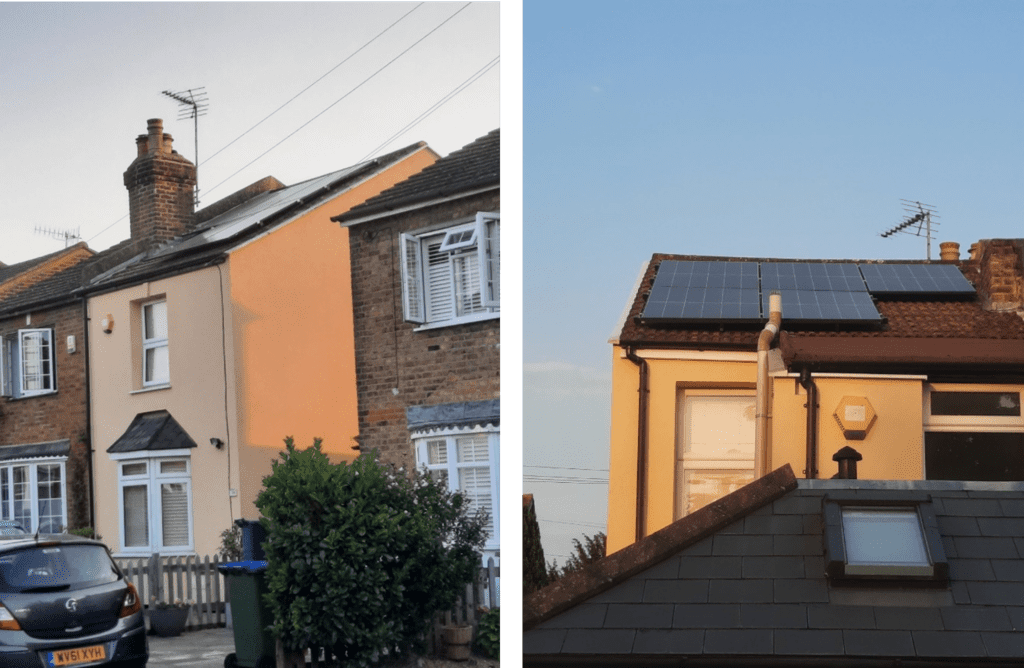
Mr Willingale’s solar photovoltaic installation.


Ms Deary – Waverley

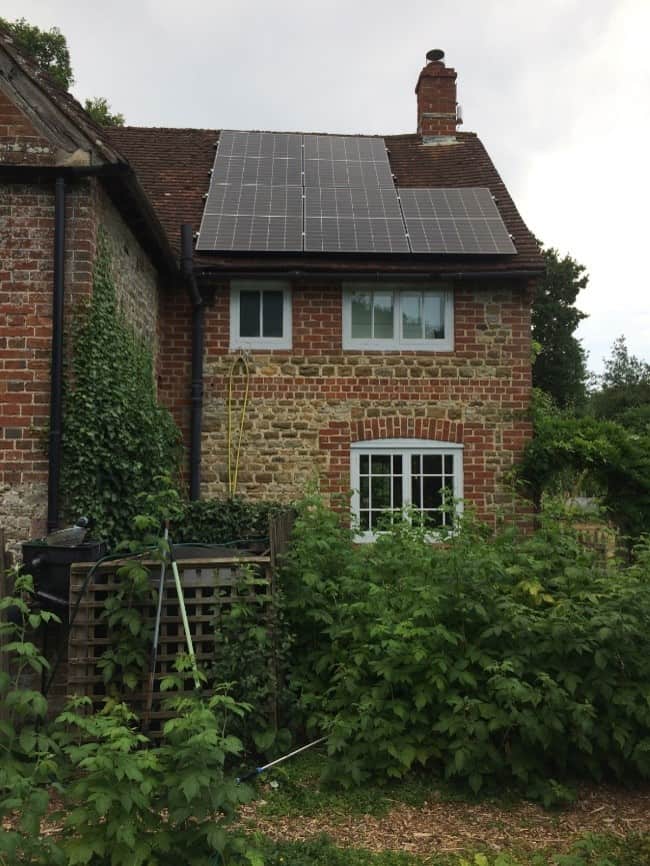
Ms Deary from Godalming was interested in obtaining Solar power for her wonderfully-rustic 20th century cottage in Godalming. She was impressed by the efficiency of the application process, stating:

“l was hesitant about submitting an application in the first place, they [Action Surrey] made the whole thing very straightforward, answering all my questions and being very helpful. l feel extremely grateful to them for all their advice and guidance along the way”.

After surveying the property, Ms Deary was able to have 10 solar panels installed with the work being completed in just one day. Her projected bill savings are £357 per year, with a solar electricity output of 3.6kW. The property’s CO2 savings are projected to be 1.6tCO2e per annum.
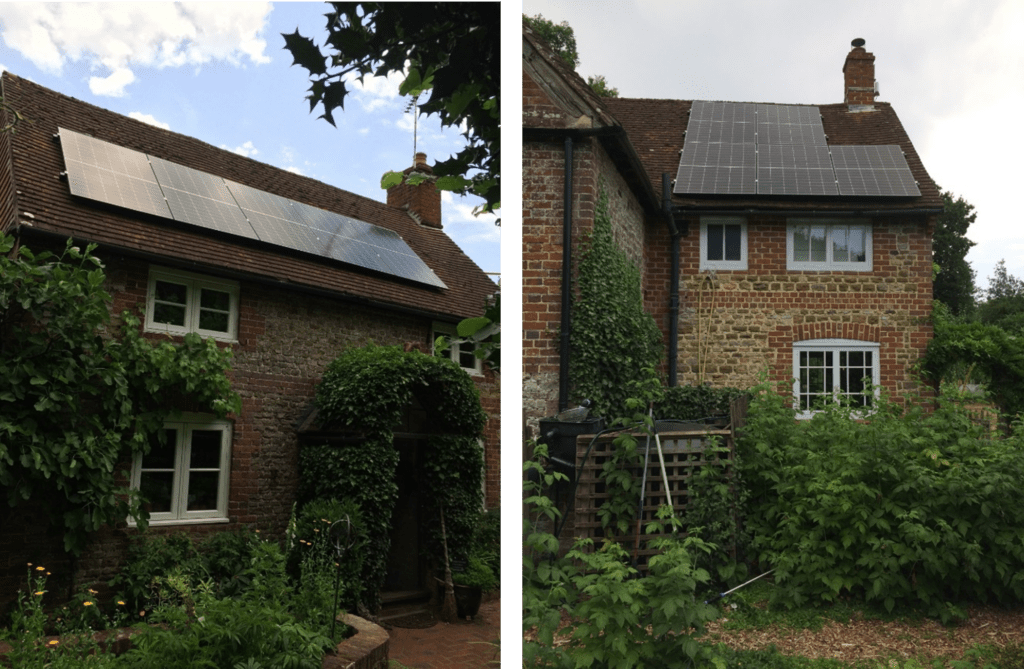
Ms Deary’s solar installation on her 20th century cottage.

Battery storage – Two years on from ThamesWey’s Tesla Trial

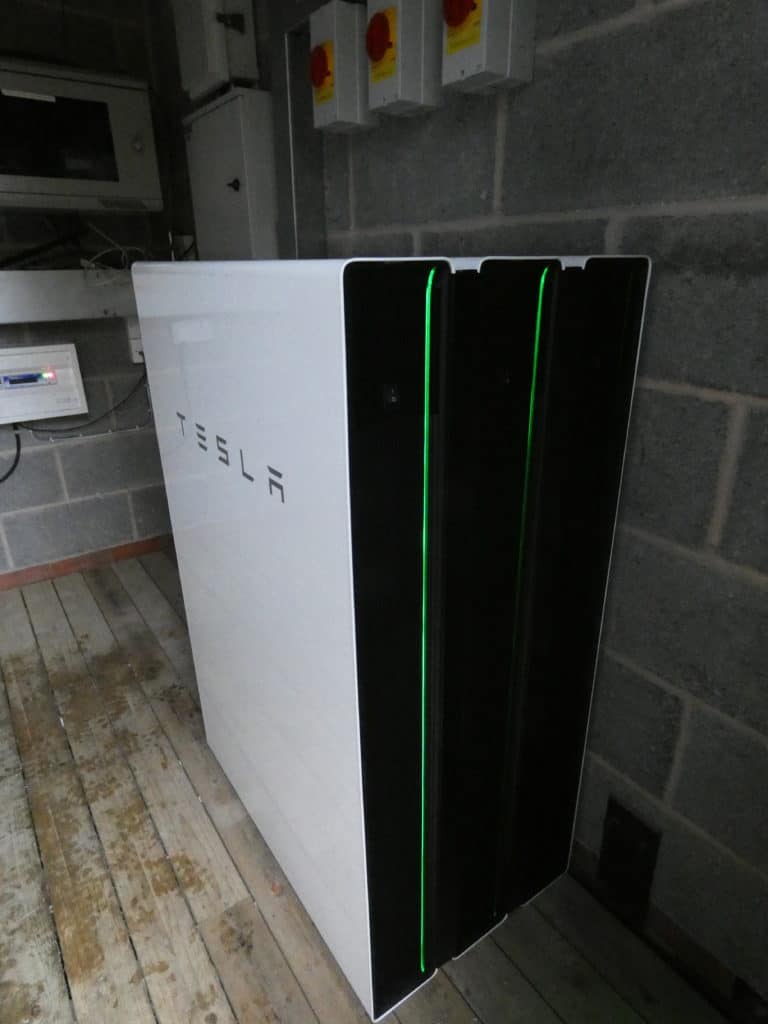
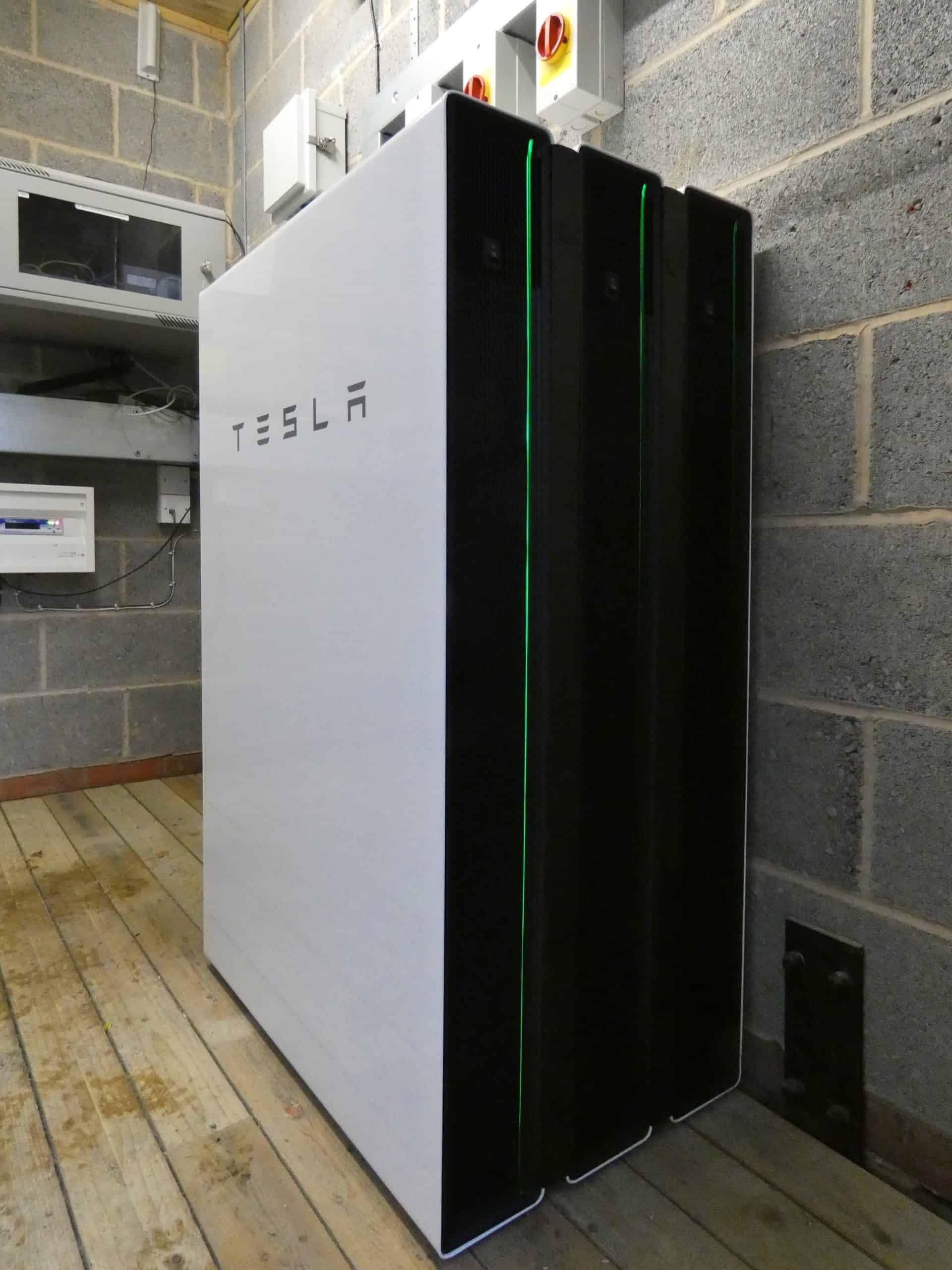
In December 2019, ThamesWey commenced a new trial of utilising battery storage, where a centralised battery system was set up to capture spare renewable electricity generation from the rooftops of group of properties, to reduce reliance on the national grid and decrease the greenhouse gas emissions for the properties. Joju Solar installed three Tesla Powerwall batteries which have the ability to store 40.5 kWh of unused solar power generated during sunlight hours, and supply this back to the properties whenever they need it, even when the sun is not shining.

The centralised battery system provides a more effective way for the excess solar generated electricity to be utilised on a very localised scale. The benefit of a community system over individual battery units is that the properties have shared access to the stored energy, to use when it is really needed, no matter how much direct solar energy they have used. This evens out the natural variations in the way each household uses energy from differing lifestyles and means that less excess energy goes to waste and overall less grid energy is used. Read more about the system setup here.

The installed batteries.

ThamesWey has looked back at the data from the last 2 years to understand how the system has performed and the results are a testament to the effectiveness of this type of system. The monitoring shows that the use of grid electricity at ‘peak-times’, when national grid supplied electricity is typically generated from the most carbon intensive sources, has reduced significantly. Before installation, 11.5% of grid supplied electricity was needed during these peak times. During the first year of battery operation (2020), this reduced to 3.4%, but in the second year (2021) this figure reduced even further to just 0.5%, almost eliminating peak time grid electricity consumption altogether. The table below shows these results.

Year Peak time grid electricity consumption (kWh)
2019 (before battery installation) 4313
2020 1412
2021 239

Even during the winter months when no excess solar power is available, the battery draws energy from the grid overnight and stores it for use in the day. The overnight, off-peak electricity is typically generated from the cleanest energy sources, so both the cost and carbon intensity is much lower. By using this stored grid energy during peak hours, instead of directly using ‘peak time’ grid electricity, the households are reducing their carbon emissions by around a third. The Tesla system intelligently learns how the households typically use their electricity to operate in the most efficient way, the improvement in performance from 2020 to 2021 shows the progress and impact of this learning.

The project has successfully demonstrated how the energy generated from a zero carbon energy source can be maximised whilst also providing a benefit of reducing pressure on the national electricity grid during peak times. This installation forms an important part of ThamesWey’s ongoing commitment to transition to sustainable, zero-carbon energy and is another step towards a carbon neutral future for Woking.

Green Jump Surrey – See how three residents have benefitted

ThamesWey’s longstanding ‘Action Surrey’ project delivers domestic energy efficiency services to the local area on behalf of a partnership of Surrey local authorities. In the last year Action Surrey has been working hard to deliver the ‘Green Jump Surrey’ project, helping Surrey residents access the Green Homes Grant to improve the energy efficiency and environmental performance of their homes.  550 households have benefitted from this project so far, read on for examples of the improvements that have been achieved.

Mr Zaman in Woking had always been deeply interested in installing solar PV, and thanks to the Green Jump Surrey project, finally got his chance. He was appreciative that the Green Jump Surrey application process has been fast, clear and efficient and is pleased to now have 12 solar photovoltaic panels generating free, renewable electricity. The property was also suitable for both loft and cavity wall insulation, which were installed alongside the solar panels, to create a home that feels much warmer as a result.

Mr Zaman’s solar PV installation in Woking, generating renewable electricity even on a cloudy day. Installed through Green Jump Surrey to complement loft and cavity wall insulation.

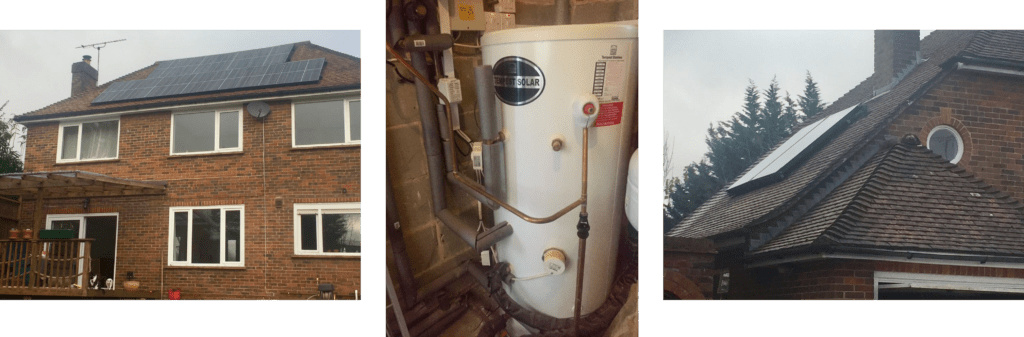
Mr Halimic in Old Woking benefitted from a similar blend of insulation and renewables to boost the efficiency of his 1950s property. The loft and cavity walls were insulated and the roof is home to a new solar thermal system, which generates renewable hot water, and a 4kW solar PV system to provide renewable electricity. The combined environmental benefits of these measures have improved the Energy Performance Certificate or ‘EPC’ rating of his property from D60 to an above average C71. The property will use around 5,000 kWh less of energy, which equates to a saving of around £600 and 2.7 tonnes of carbon per year. Mr Halimic was grateful that the scheme had supported this level of improvement and that Action Surrey had provided such a friendly, helpful service to make this happen.

Left: A ten panel 4kW solar photovoltaic system. Centre: The new solar hot water tank, to store the solar generated hot water. Right: A double panel, flat plate solar thermal collector. Renewables were complemented by cavity wall and loft insulation.

In Guildford, Mr Franzoni also benefitted from a fully funded solar PV system through Green Jump Surrey. Action Surrey’s trusted contractors set up a 5kW system with 15 panels on the roof. Mr Franzoni is very proud to be the first on his street to be powering his home using his own source of renewable energy, as well receiving payment for any excess that he exports to the national grid, as part of the Smart Export Guarantee.

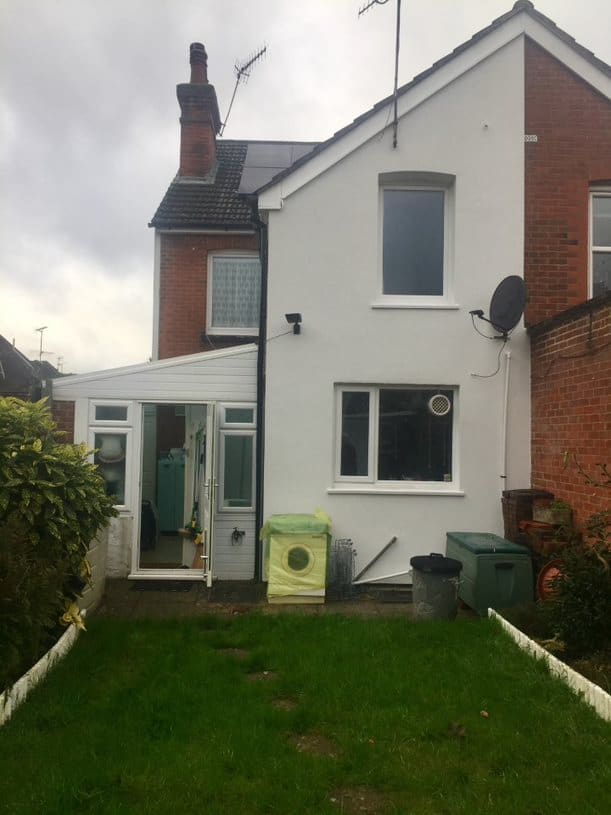
Since there is no space between the boundary of his property and the pavement, a complex scaffolding arrangement and permission had to be arranged to access the roof safely. Mr Franzoni also wanted to externally insulate his solid brick walls, as it was difficult and expensive to heat the house to a comfortable level when the heat escaped easily. The close proximity to the pavement meant was a challenge, but Action Surrey’s trusted contractors found a solution that worked for all by insulating the rear wall of the property, which was also funded through Green Jump Surrey. All these improvements raised the home’s energy efficiency rating from a D rating scoring 59 points on the EPC, up to a spectacular 80 points which is a C rating.

The rear side of the property, where the solid brick walls were externally insulated.

The Green Jump Surrey project has enhanced the environmental performance of the homes, and has encouraged the homeowners to consider further improvements. These applicants all expressed no hesitancy in apply for future grants, with aspirations for further insulation, upgrading double glazing and installing an air source heat pump.

Green Jump Surrey – A customer experience

ThamesWey’s long-standing home energy efficiency service ‘Action Surrey’ delivered it’s largest home improvement project to date in 2021 – ‘Green Jump Surrey’. Read how one Surrey resident has benefitted from free insulation to reduce their heating bills and carbon dioxide emissions.

Trevor applied to Green Jump Surrey to improve the energy efficiency of his 1920s semi-detached property in Guildford.

His property, like others of this age, was built with solid brick walls which are very energy inefficient and lose heat easily. External wall insulation (EWI) was therefore identified by Action Surrey’s energy advisors as the most effective way of improving the home’s energy efficiency. Trevor was referred to one of Action Surrey’s installation partners who carried out the works on the property completely free of charge.

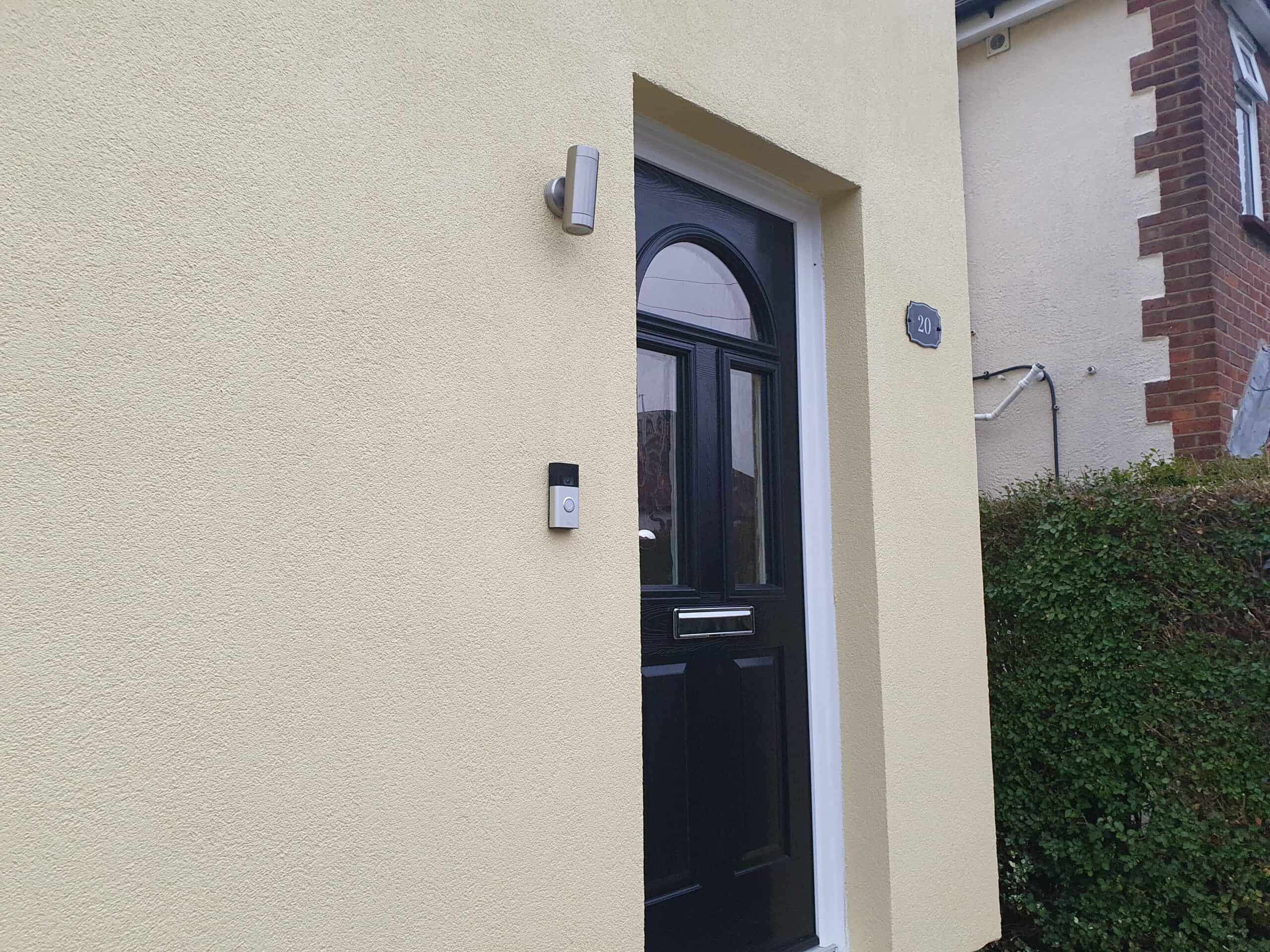
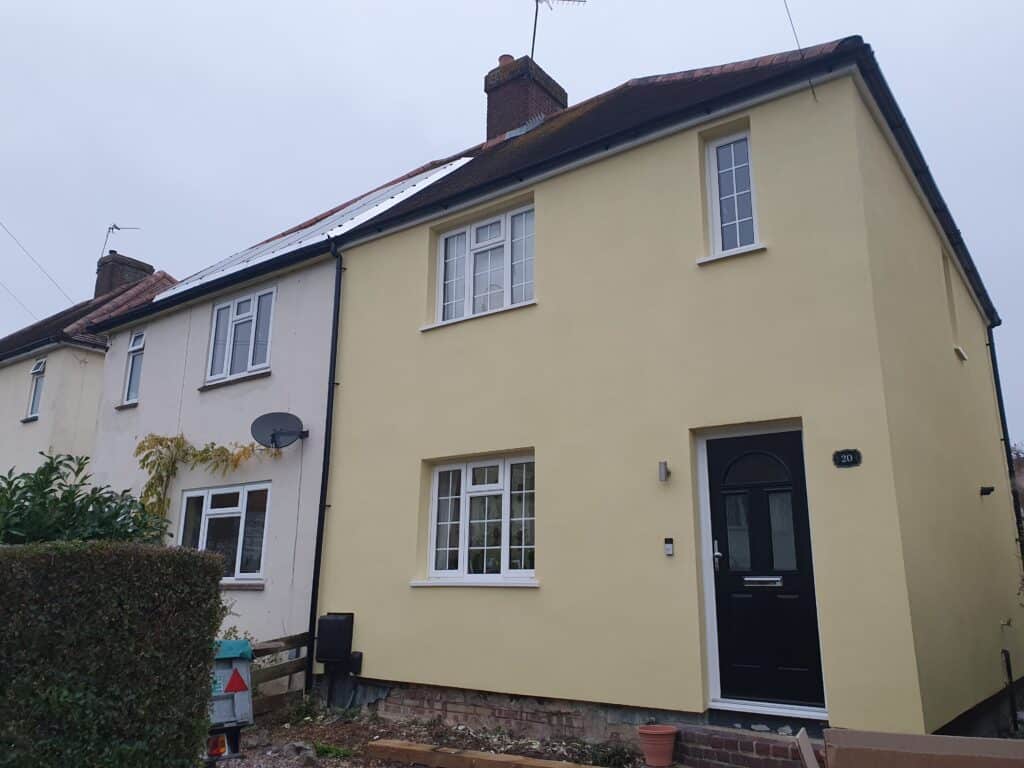
Trevor’s home, transformed with new external wall insulation fully funded through Green Jump Surrey.

Here’s what Trevor had to say about the process:

“Overall, I’m really happy with the quality of the work completed at my property. We used to have terrible damp problems here, mould would latch on to freezing cold walls to the extent that furniture needed to be moved well away from wall, so it didn’t collect condensation too. It has only been a month since the insulation has been installed and there has been an instant improvement. The condensation mould has been eliminated in such a short space of time, even though its winter, which is absolutely fantastic.

The house would normally drop down to 15 degrees Celsius by the time we woke up in the morning, but now the temperature barely reduces at all – it’s still 19 degrees after a cold night without the heating on! Although it has not been long enough to see an entire winter’s heating bills, we are expecting a significant reduction in our gas consumption. It has come at a great time with the massive energy price rises we are seeing, so I feel very lucky to have got the insulation when I did. It should also keep my home cooler in summer, which will be a welcome relief during those rare heatwaves. The insulation has a 40-year lifespan so I am looking forward to reducing my heating bills and living in a more comfortable home for a long time to come.

I found the Green Jump Surrey application process very easy too. I could do it all online and even though I am not the best with a computer, it was simple and straightforward. The energy advisors at Action Surrey were always on hand to help if I had any queries and made sure I understood the process. The offer of all this free improvement work, which cost over £13,000, sounded too good to be true, but I am so glad that I did apply as it was exactly as advertised.

Besides the improvements that the external wall insulation has made to my comfort, mould problems, heating bills and carbon footprint, the outside of my home has been completely transformed. The house has gone from one of the most tired looking properties to one of the best looking on the close with a really crisp and neat rendered finish. I also took the opportunity to replace my old cast-iron guttering and ageing facias, so the house really has transformed.

Overall, I would really recommend the Green Jump Surrey project and external wall insulation. Whilst there was some waiting involved and disruption during the installation, it was so worth it to have this fantastic improvement to my home made free of charge, which I will benefit from for decades to come.”

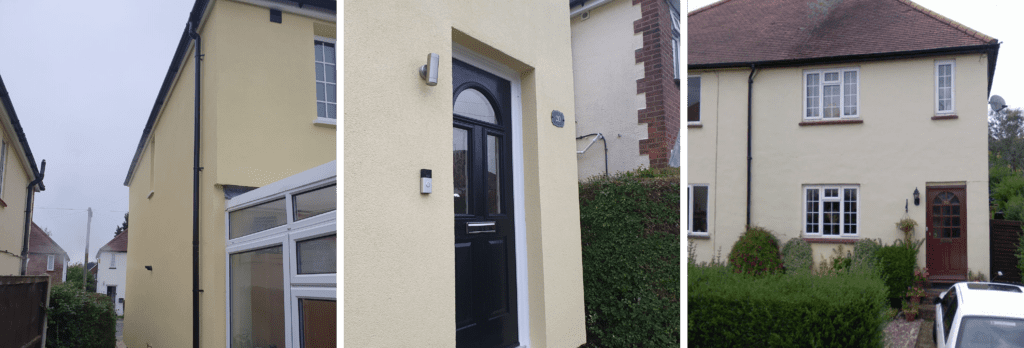
Left: The finished side profile, insulated around an outdoor tap, boiler flue and the conservatory. Centre: Crisp edges around the door openings. Right: The house prior to being insulated.

Sustainable Housing Retrofit – Cowshot & Manor Crescent

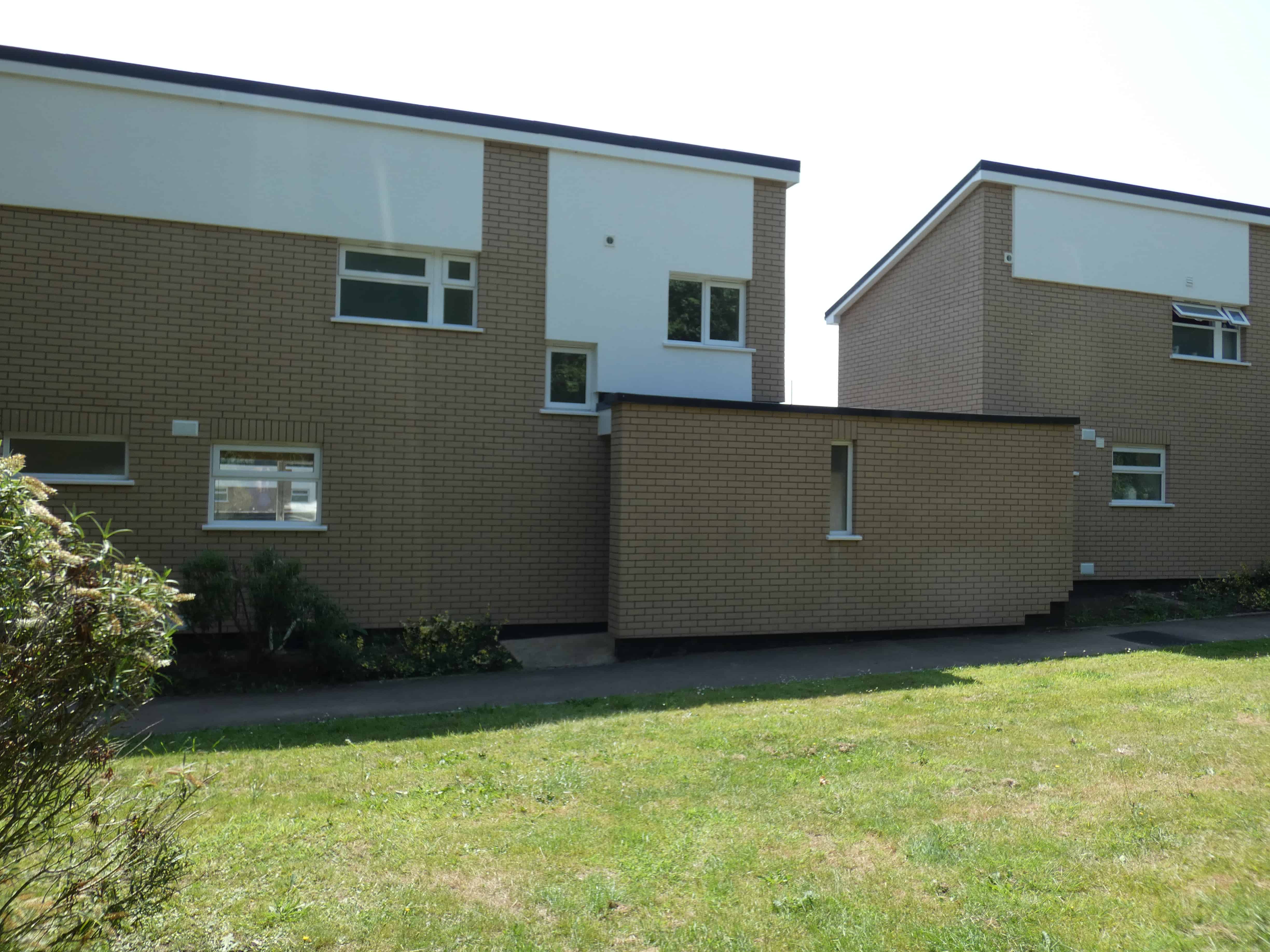
ThamesWey’s energy efficiency “make-over” of 50 former military properties was completed towards the end of 2018. Solid wall insulation, insulated roof tiles and solar panels were installed to help make these properties more comfortable and lower the fuel bills for tenants.

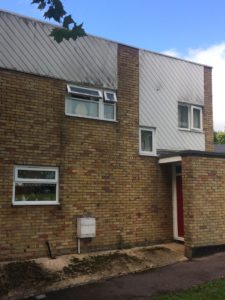
After acquiring the former military properties in 2008, ThamesWey Housing let the properties, at affordable rent to families on the council’s housing register. ThamesWey was shortly made aware of concerns regarding condensation, damp and mould issues, high energy bills, roof leaks and water penetration during wind driven rain. As a result, ThamesWey decided to undertake an estate wide external improvement programme to address the concerns identified by the tenants.

Inspiration for the project came from concern for tenants’ welfare and a desire to transform the properties in a way that supports the company’s core beliefs about building sustainable communities and environmentally-friendly quality homes.

The works included:

  1. Replacing the roof covering and extending the eaves & overhang to provide increased protection during bad weather.
  2. Insulating the roof void with 300mm quilt and 50mm rigid celotex between the rafters.
  3. Replacing the PVCu cladding with Wetherby Epsitherm external wall insulation and applying the Wetherby silicone render system with brick pattern effect to the cavity brickwork areas.
  4. Installing extractor fans in each kitchen and bathroom and upgrading to combination boilers.
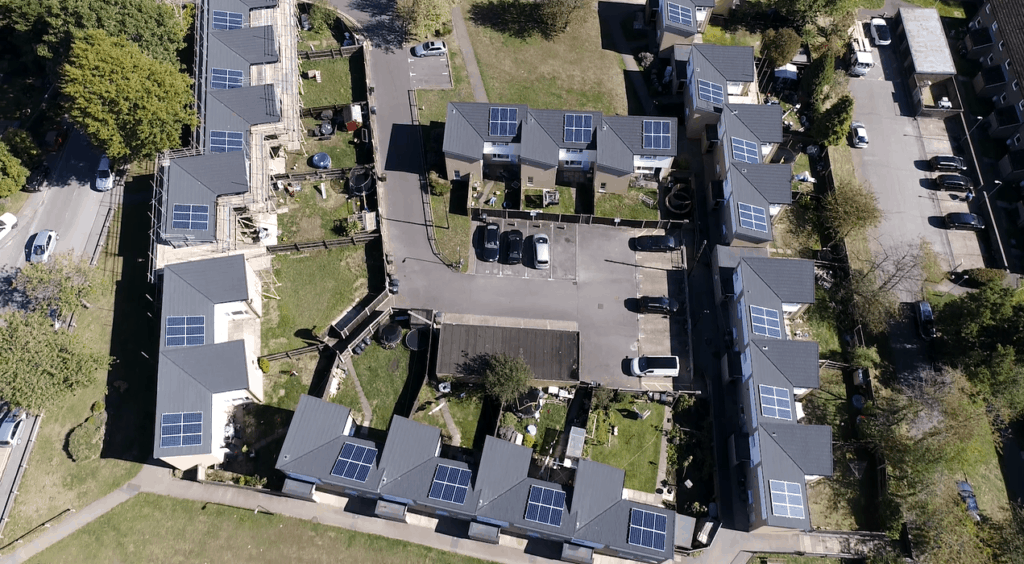
  5. Installing 1.65 kW peak photovoltaic roof panels and trialling battery storage on 11 properties.

ThamesWey’s aspiration was to eliminate the defective building fabric with the outcome of providing homes that are warm, damp free, economical to run for the residents and low maintenance.

The works have resulted in an enhanced environmental performance, demonstrated by an improved Energy Performance Certificate rating of a C from a former E rating. Based on an example before EPC, the resulting potential fuel saving per year for each resident is over £500.

The transformational impact is homes that are now modern looking, high energy efficiency, warm and more cost effective to run.

Sustainable Housing – Rydens Way

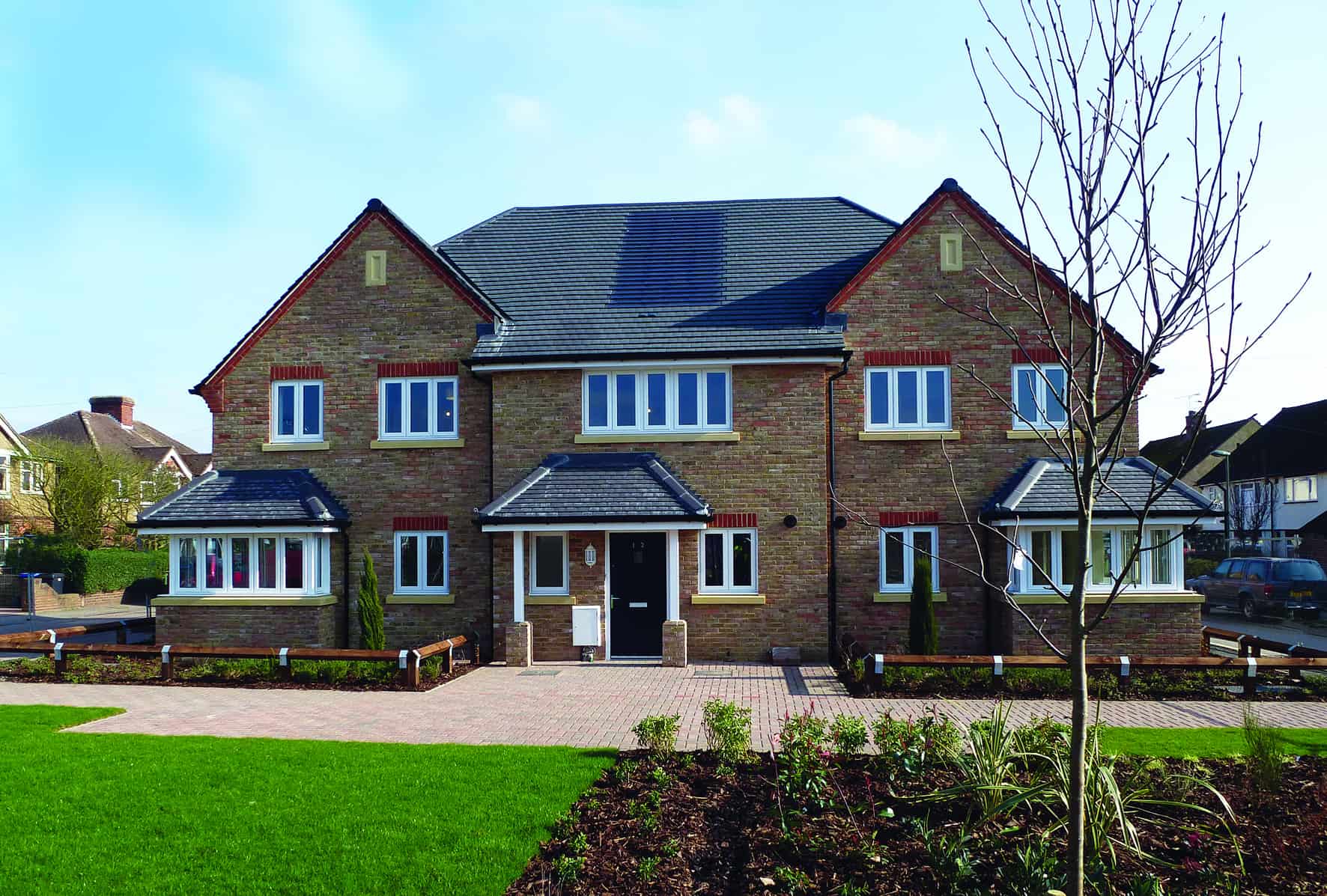
‘Vantage’ is a development of over forty new 2, 3 & 4 bedroom houses and 1 & 2 bedroom apartments at Rydens Way, Old Woking, Surrey. The development provides a mix of both affordable housing for rent and freehold housing placed on the open market for sale.

The scheme was commissioned by ThamesWey Developments for ThamesWey Housing and built by local housebuilder William Lacey Group. Vantage is a development of properties ranging from apartments to houses that combine traditional architectural styles with high standards of sustainable design.

The development is built to the Code for Sustainable Homes Levels 3 and 4 and has achieved very high standards of energy and water efficiency.

The project sought to make best use of a difficult linear site whilst also delivering improvements in access for existing residents. This was achieved through the creation of ‘home zones’ which combine new car parking, safer access for buses and new planting.

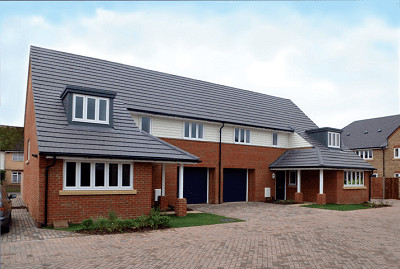
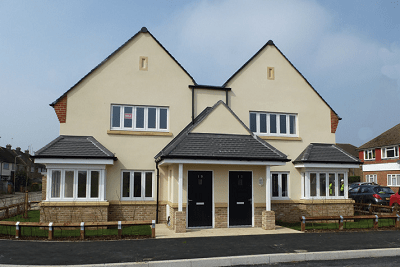
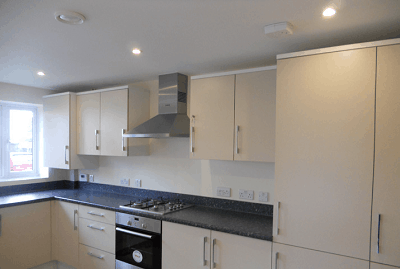
The houses were built using ICF (insulated concrete formwork) to achieve very high standards of insulation. Internally, the properties are bright and airy, with high quality modern finishes. The properties are rendered or clad with attractive brick elevations with stone cills under grey tile roofs, set against either brick walls or landscaped gardens. Garden sheds, water butts, rotary washing lines and compost containers are provided, enclosed by close board fencing and/or brick walls. The properties also have off street parking within the home zones.

Sustainable building design has been practised through the construction of these new homes, ensuring that where ever possible the properties have a positive effect on their environment and their inhabitants, aiming to provide all the benefits of an ‘eco-house’ without intruding on the traditional approach to family home design. Energy efficient features include:

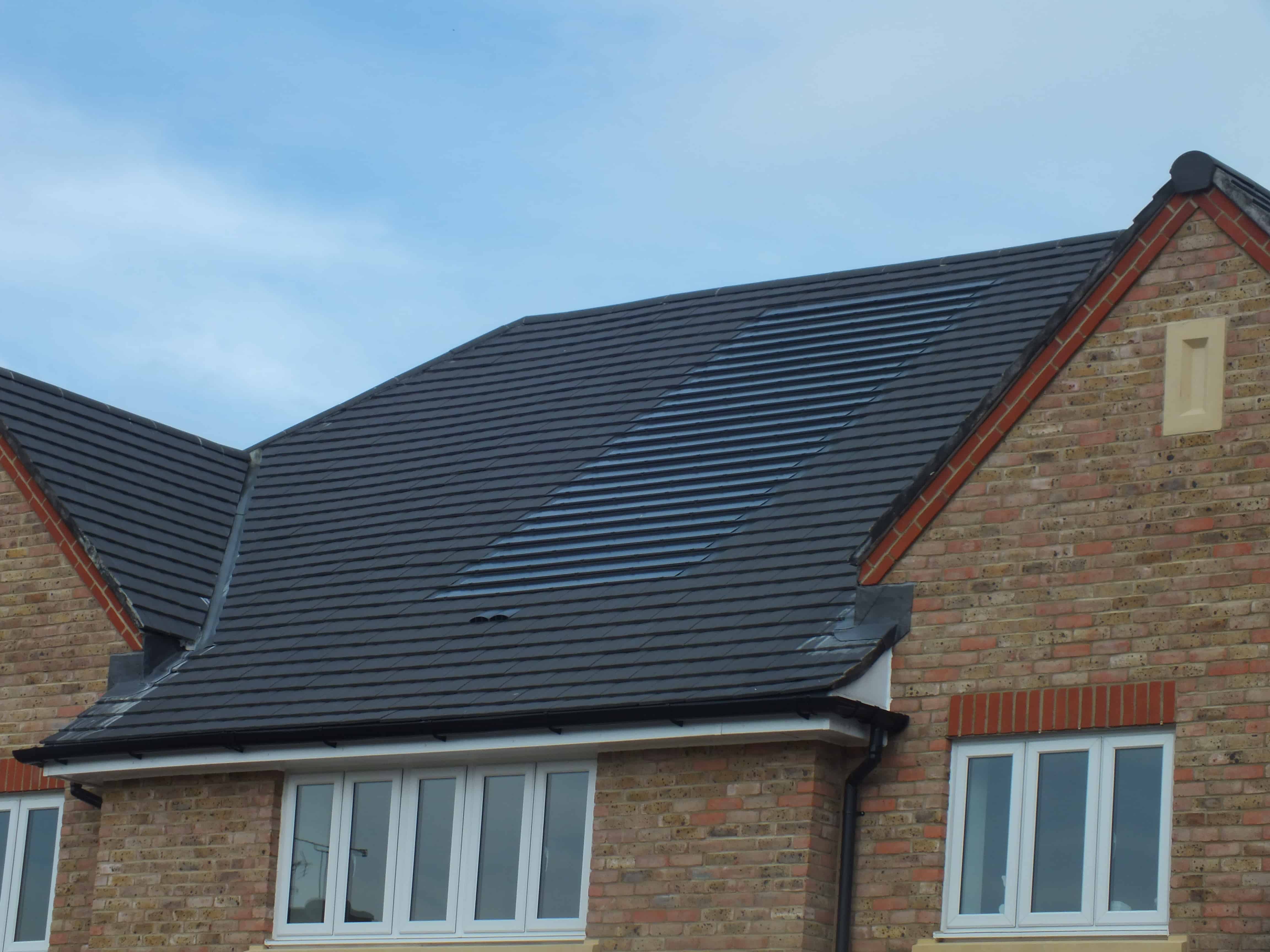
• Photovoltaic (PV) solar slates positioned on the roof, which seamlessly integrate into the roof finish, generating electrical energy from the sun
• Extremely high levels of insulation and air tightness built into the whole building fabric
• Double glazed PVCU framed windows
• Rainwater harvesting recycling water for use in the toilets andwashing machines
• High efficiency gas fired condensing boilers with radiators
• Thermostatic controls for individual rooms
• Heat Recovery Ventilation Systems

Rydens Way

Landmark sustainable building supplied by ThamesWey

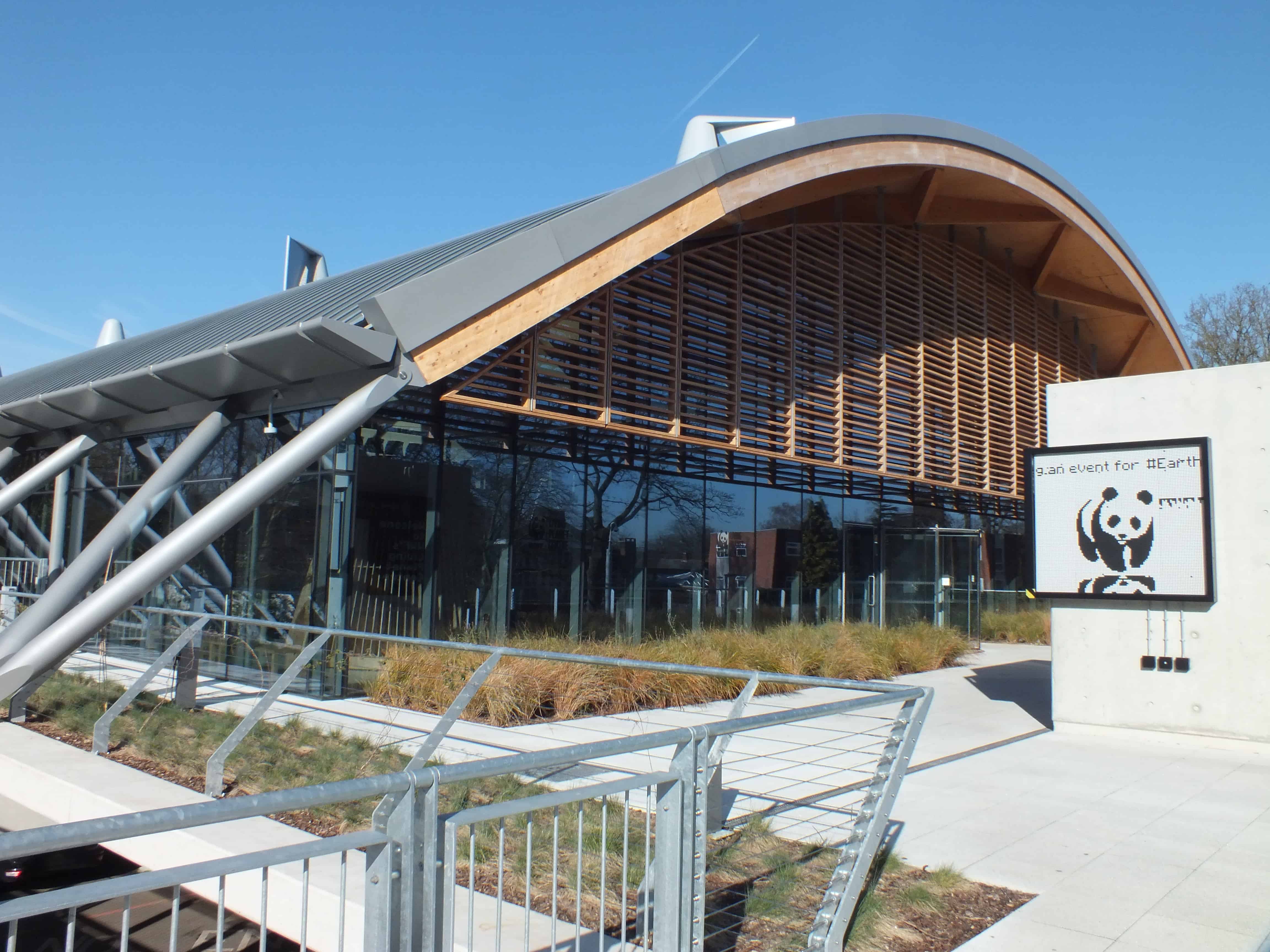
WWF-UK ‘The Living Plant Centre’

The world’s leading conservation organisation, WWF-UK has connected its new UK HQ building (‘The Living Plant Centre’) to ThamesWey’s low carbon energy supply in Woking town centre.

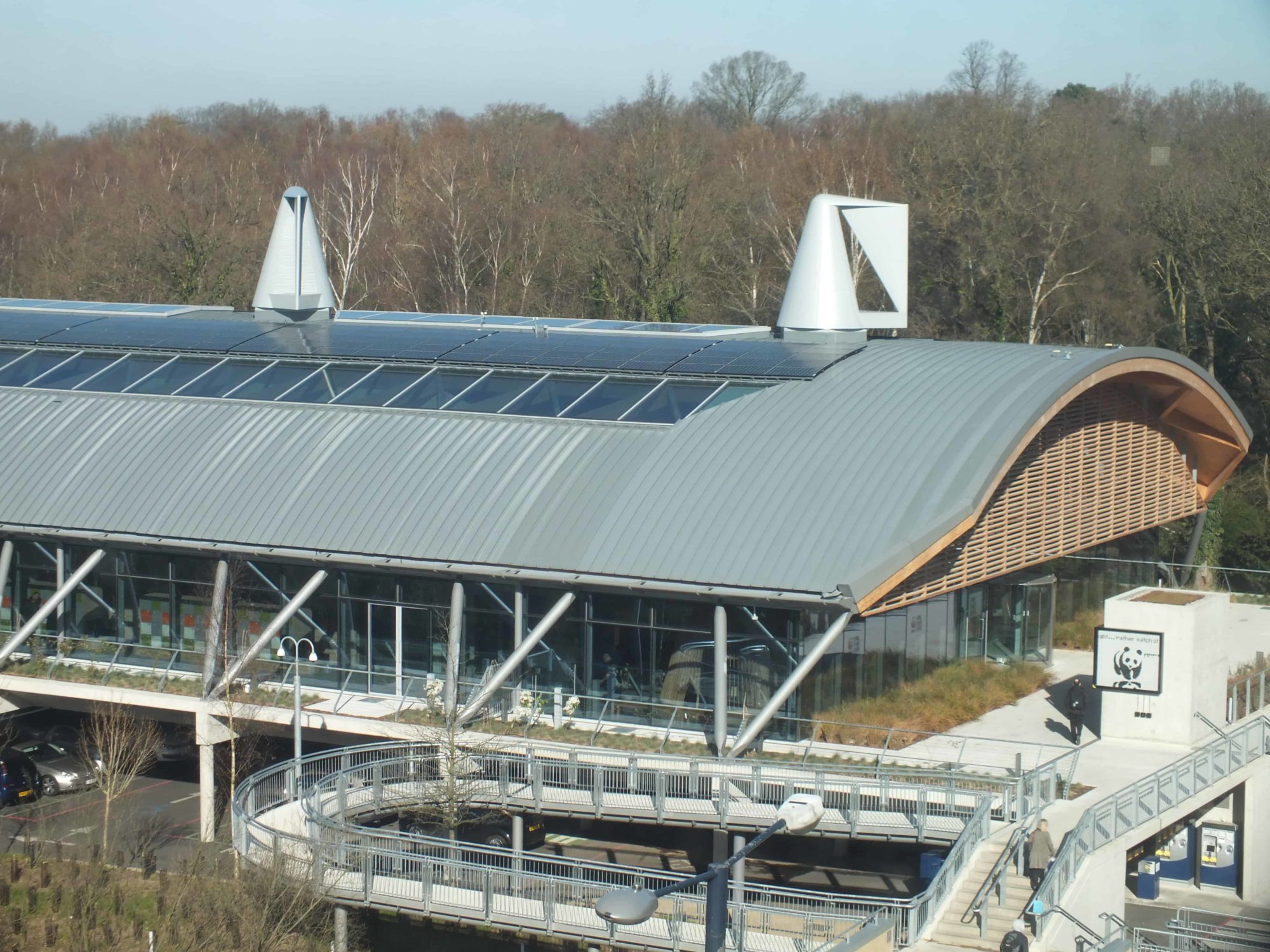
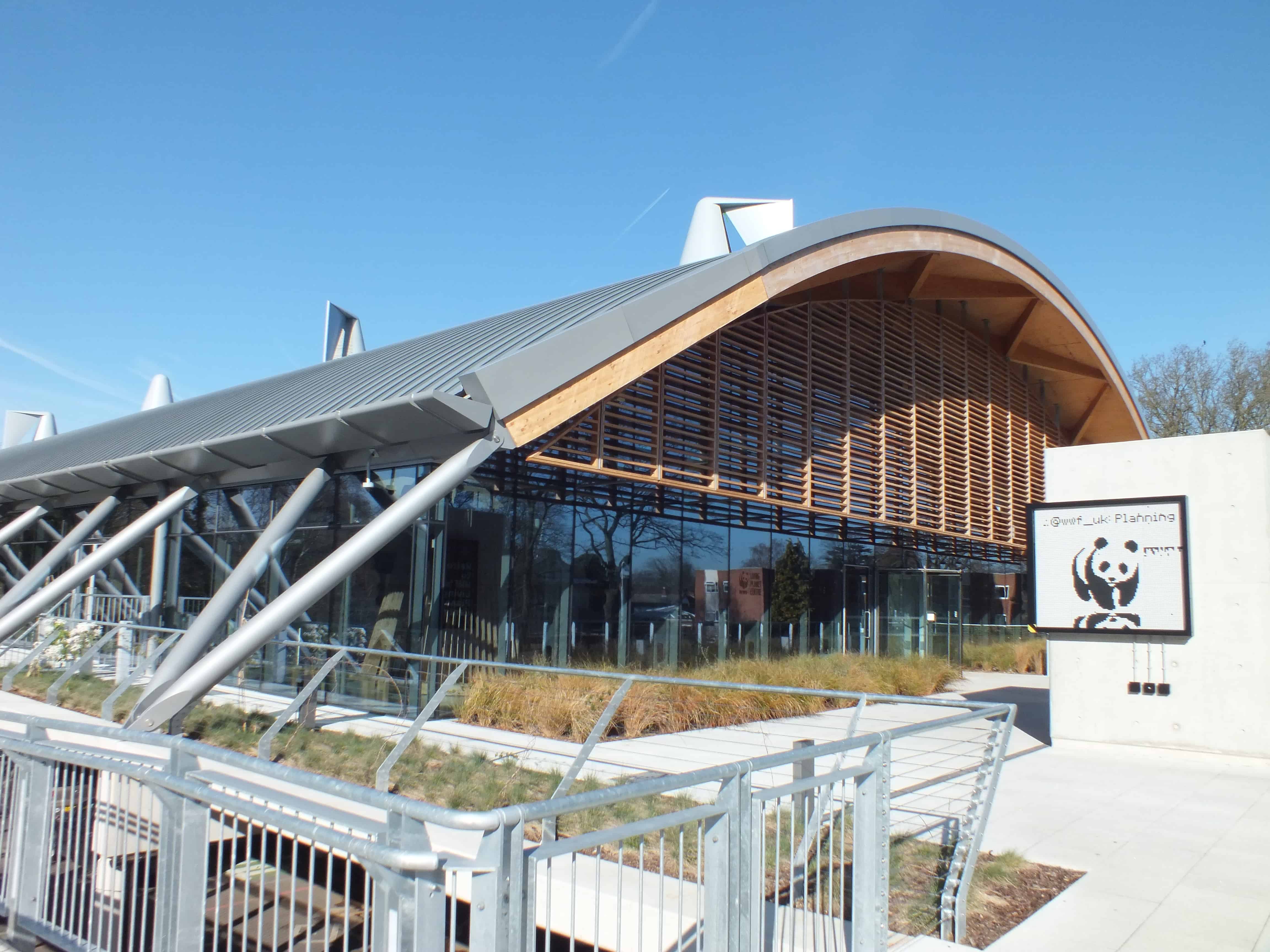
Designed by internationally renowned architects Hopkins, The Living Planet Centre aims to be an exemplar of sustainable design and construction. It includes features to reduce energy and water use and is powered via its connection to ThamesWey’s Woking town centre energy station. The building was opened by Sir David Attenborough in November 2013 and accommodates over 300 staff as well as a visitor and education centre.

Using CHP alongside PV

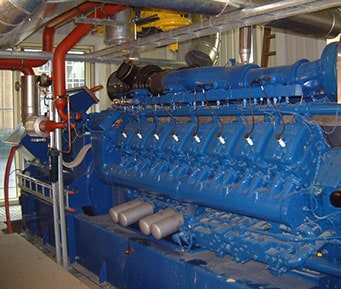
ThamesWey’s 1.4 MWe Combined Heating and Power plant (CHP) supplies ‘The Living Plant Centre’ and the public car park over which it has been constructed with low-carbon electricity via our private wire 11 kV electricity network. The power supplied is also used to generate heating and cooling from the on-site Ground Source Heat Pumps (GSHP).

The building also receives some of its power from the 410 solar panels on the roof, with any surplus electricity generated that is not used on-site being fed back to ThamesWey’s private wire network for distribution to ThamesWey’s other customers.

Achieving BREEAM ‘Outstanding’

In addition to its work on wildlife conservation, WWF champions all aspects of sustainable development and so set the very highest standards for its headquarters. The building was designed and constructed to be one of the ’greenest’ in the UK, and by connecting to ThamesWey’s low carbon energy network it has helped the building achieve the highest BREEAM rating of ‘Outstanding’. Only 24 buildings worldwide have reached this standard in the six years prior to 2013.

Enabling Green Retrofit of Commercial Buildings

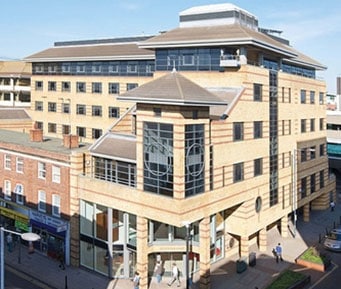
Hollywood House is a 1980’s five story building which was dated and expensive to run for the main tenant Skanska Rashleigh Weatherfoil. When the lease was up for renewal, Skanska proposed to the landlord Prupim to refurbish the building to maximise its energy performance.

In 2011, the decision was taken to carry out a comprehensive refurbishment of the building to create a highly sustainable workplace that was designed to achieve LEED (Leadership in Energy and Environmental Design) Commercial Interiors Platinum certification.

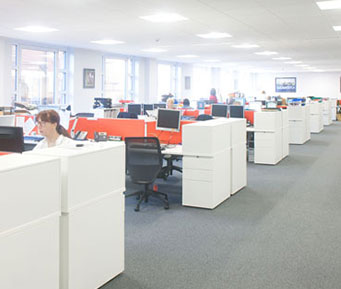
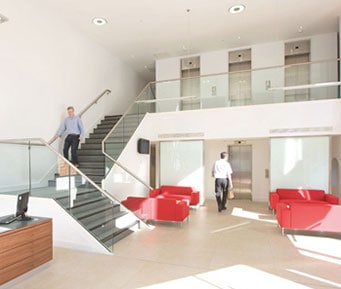
The refurbishment of the 1,574m2 of office building took 32 weeks to complete and involved the installation of new heating, lighting, ventilation and energy management systems, and the incorporation of raised floors and suspended ceilings.

A major part of these works included connecting the building to ThamesWey’s heating and power network in the town centre. Both Prupim and Skanska worked closely with ThamesWey Energy to calculate the cost benefit of these connections.

The building’s existing gas boilers were replaced with a new plant room that sources efficient and low-carbon district heating from the Woking Town Centre Energy Station. The energy station has a 1.4 MWe Combined Heating and Power plant (CHP) that now provides Hollywood House with low-carbon heating, hot water and electricity from the heating and the private wire network.

Hollywood House was the first commercial office building in Woking to be retrofitted to the energy station and provides an exemplar of co-ordinating a major refurbishment scheme with connection to the district heat and private wire networks. The building uses individu- ally zoned areas for heat distribution via sensors and radiator con- trol valves to optimise low return temperatures to the heat network whilst achieving comfortable average temperatures throughout the building.

In 2011 Hollywood House achieved a 32% CO2 emissions saving compared to grid electricity which significantly helped Skanska towards their efficiency targets. Additionally by connecting the building to the heating network Hollywood house gained an extra 11% CO2 emissions reduction while also removing the need for on-site gas fired boilers.

Hoe Valley Scheme

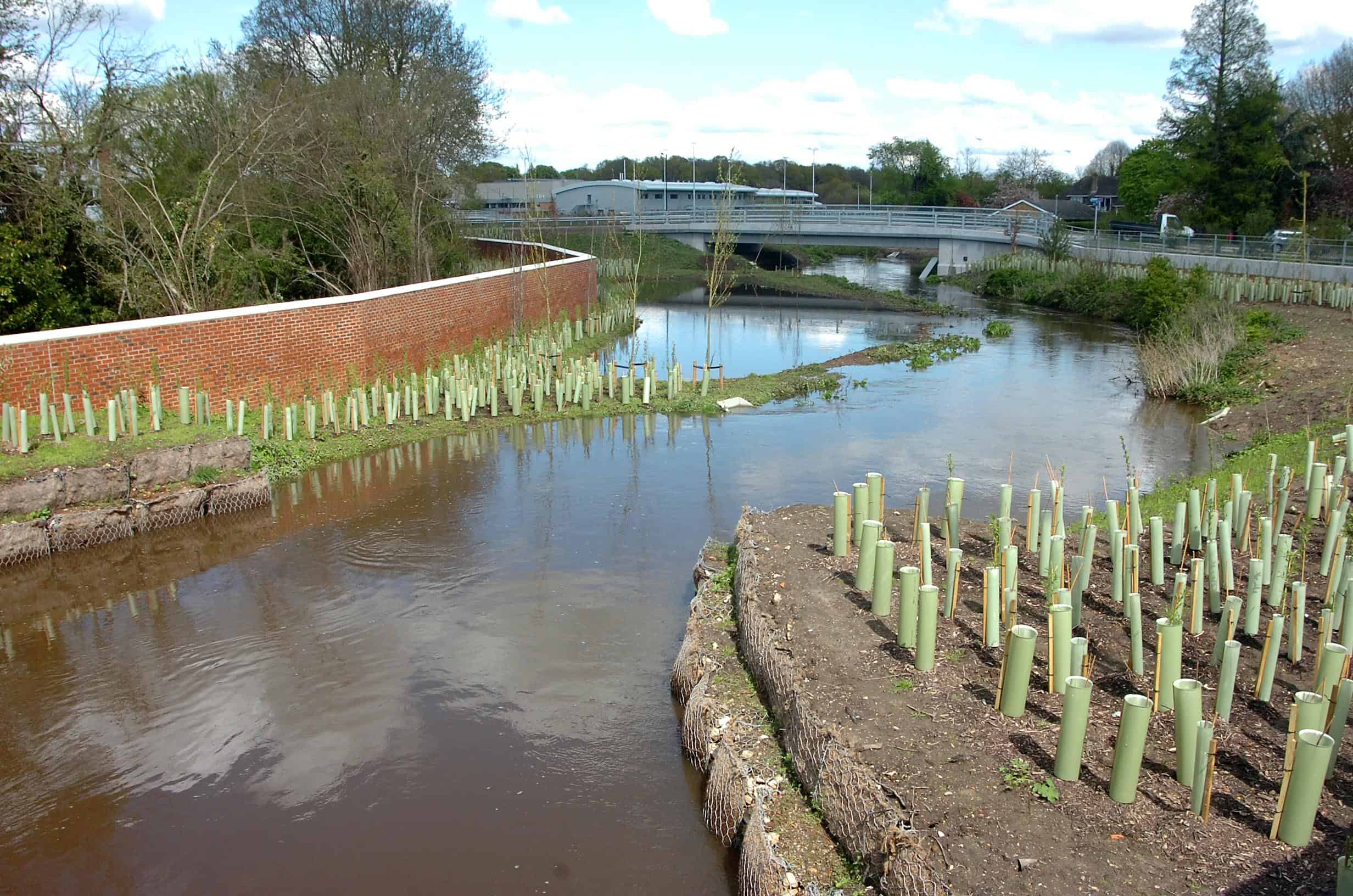
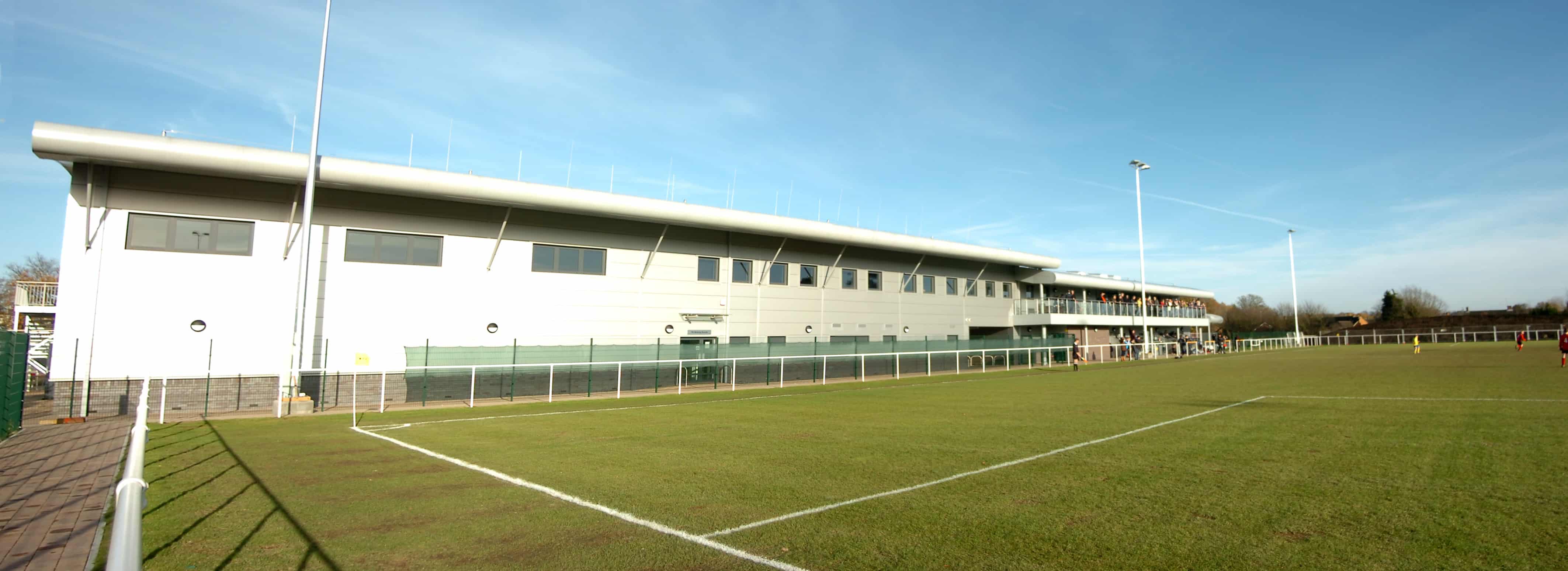
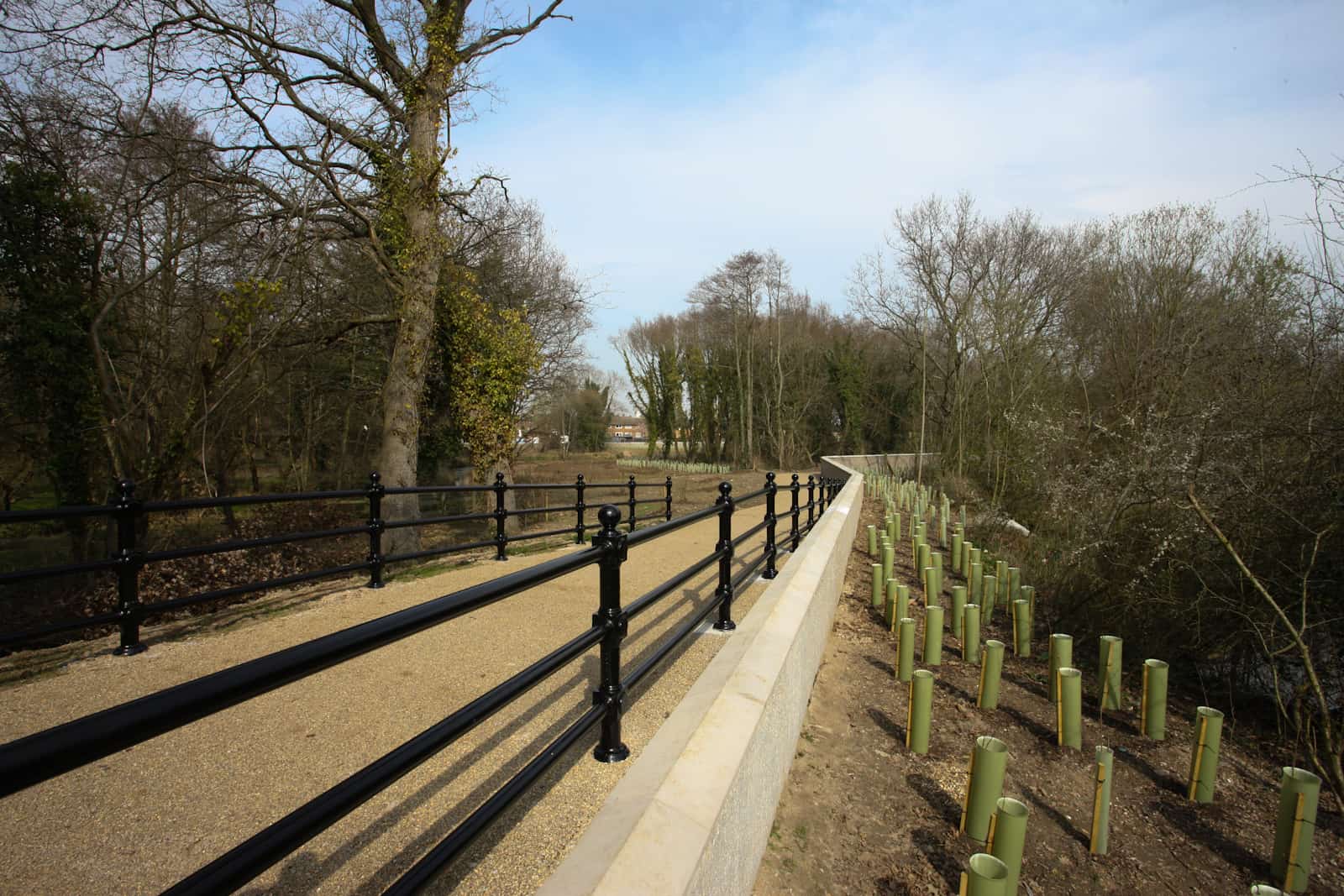
In March 2012, the Hoe Valley Scheme was officially opened to the public, marking the completion of one of Woking’s biggest civil construction projects for a generation, providing new community facilities and flood protection.

The £44 million scheme was delivered by ThamesWey Developments on behalf of Woking Borough Council, and its partner in the flood defence work, the Environment Agency. The Scheme was ThamesWey Developments first heavy civil engineering project and included delivery of new flood defences to protect over 198 homes; land remediation; highways improvement including commissioning a new bridge; new state-of-the-art community facilities; extensive public open space; and new wildlife habitats. The scheme was delivered with VolkerFitzpatrick’s Civils and Building divisions and received a CEEQUAL “Excellent Whole Project Award”.

Key facts and figures

  • Over 320,000 man hours went into constructing the Hoe Valley Scheme.
  • Over 4km of reinforced concrete walls and earth embankments have removed almost 200 residential properties from the flood plain and protected the gardens of a further 60 properties, while earth bunds protect Westfield School from flooding.
  • Over 12 acres of contaminated land, or approximately 220,000 tonnes of soil has been excavated from a waste tip, from former remediated to remove glass, plastics and other contaminants, and replaced to form a new park and a housing development site for 150 new homes.
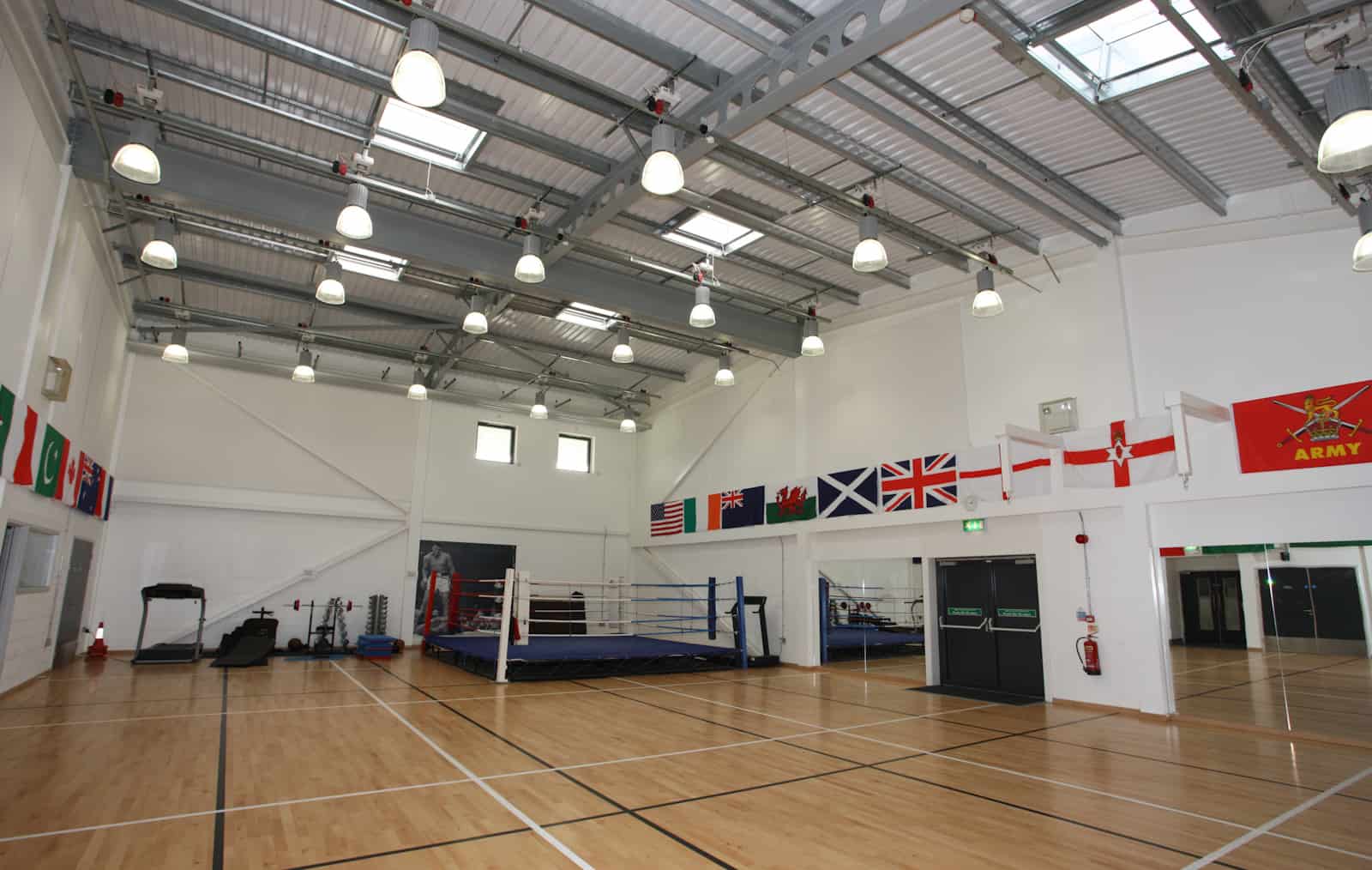
  • A new state-of-the-art community building costing £5 million provides a permanent home for nine local community groups: including local Scouts, Guides, Cadet Corps and sports clubs.
  • Highway improvements provided improved traffic flow and access to community facilities.

Specifically adapted to suit the needs of each community group, the purpose built, highly energy efficient building benefits from:

  • A low maintenance ‘living’ roof, providing a habitat for local wildlife.
  • Roof-lights, sun-pipes and light-wells that serve to bring natural light into the building.
  • Power and heat provided by ThamesWey’s CHP network.

In addition, Woking Sea Cadets have been re-housed in a purpose-built building alongside Goldsworth Park Lake, featuring meeting rooms, a fully equipped kitchen, office areas and a special boat yard area at the back of the building.

The Hoe Valley Community Building has been awarded a ‘Very Good’ standard from BREEAM, the environmental rating system for new buildings, and has also achieved:

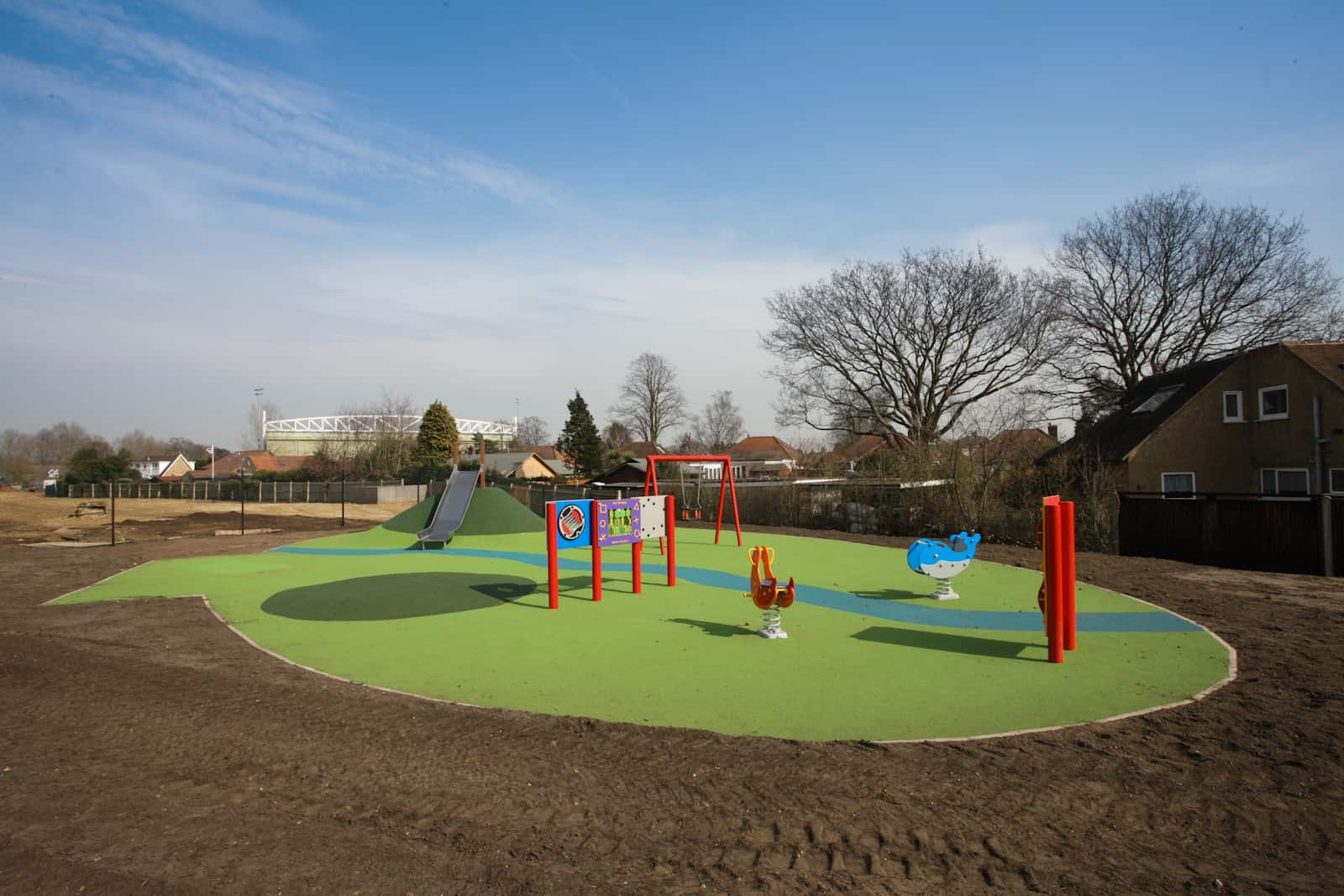
  • The creation of a new landscaped country park designed to promote mixed ecology and encourage wildlife biodiversity, featuring two new play parks, footpaths and cycleways to increase accessibility to all areas of the park.
  • A programme of habitat reinstatement to encourage wildlife back to the Hoe Valley through the creation of ponds, meadowlands, bat boxes and habitats for water voles and Great Crested Newts.
  • The replanting of almost 1,000 saplings.

Speaking at the official opening, Cllr John Kingsbury, Leader of Woking Borough Council, said: “The Hoe Valley Scheme is the realisation of a 20-year vision by the Council to regenerate the Hoe Valley and significantly reduce the risk of flooding that has blighted the area for years. Under budget and on time, the scheme has transformed and revitalised an area of the Borough that was once a domestic waste site, into an area for people to enjoy for generations to come.

“The scheme has allowed us to make necessary and important improvements to the highway infrastructure, rebuilding three highway bridges and two pedestrian/ cycle bridges across the Hoe Stream. We have relocated nine community groups into two new state-of-the-art community buildings that have been designed around their needs and made new land available for development to accommodate over 150 new homes for sale.”

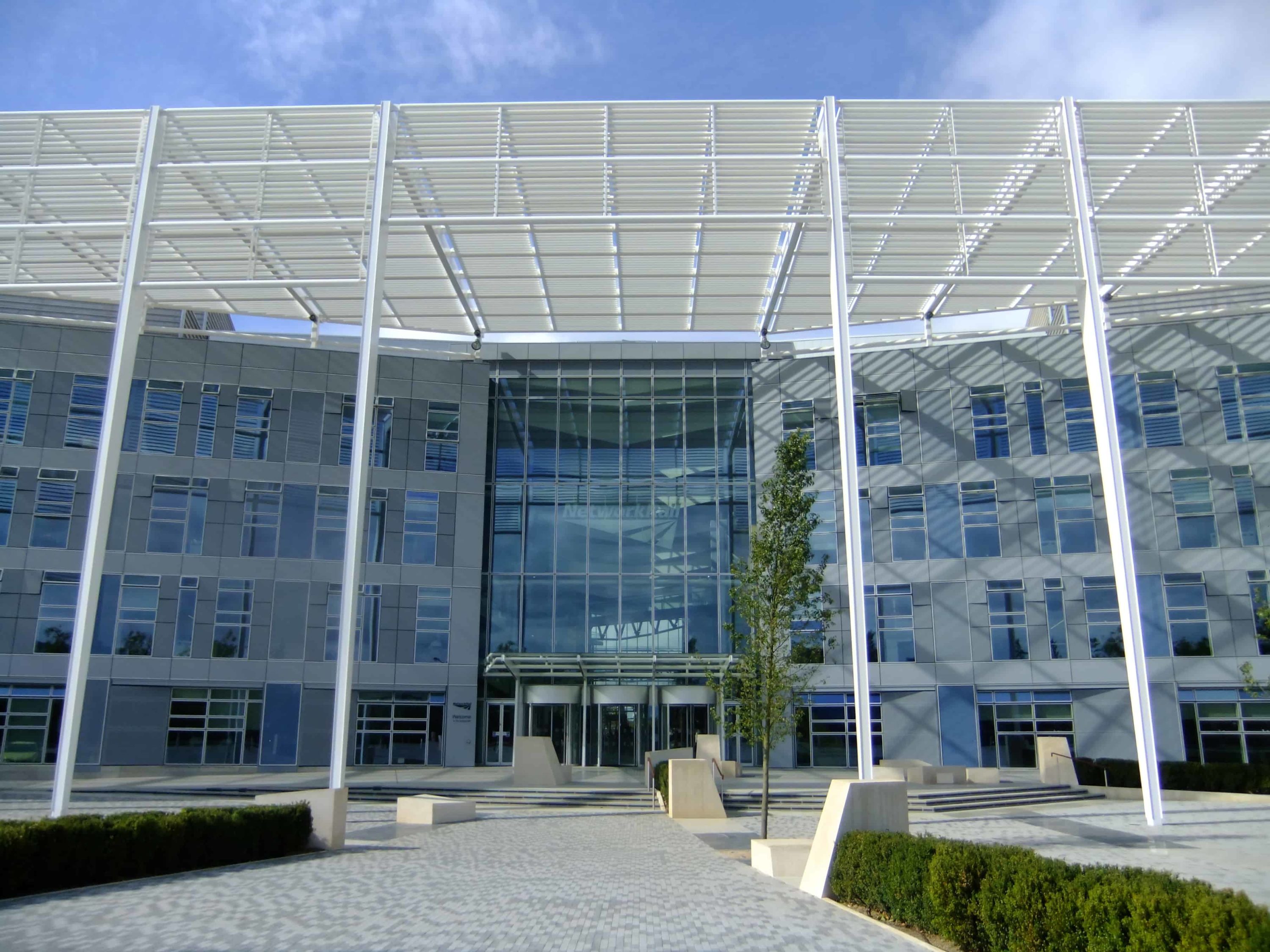
Supplying Major New Buildings – Network Rail HQ

When Network Rail decided to locate its national centre in Milton Keynes, high on the list of priorities for the new HQ was to make the building as sustainable as possible.

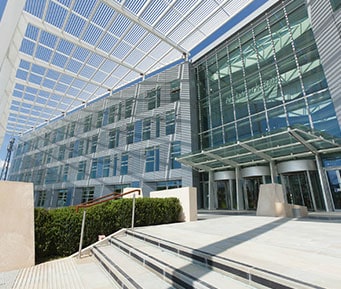
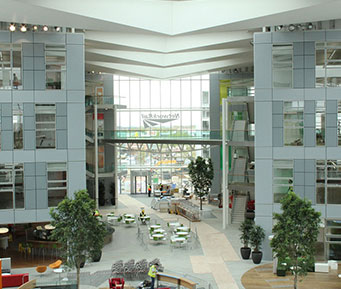
The 37,000m² four storey building achieved a BREEAM ‘Excellent’ design stage rating. It became fully occupied in September 2012 and accommodates over 3,000 people responsible for national co-ordination of Network Rail.

Connection to ThamesWey’s district heat and private wire networks was a key contributor to the building achieving BREEAM Excellent.

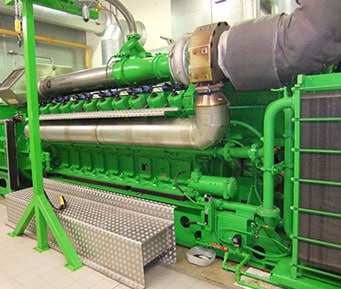
Supplied with both heat and power from our 6MWe CHP station, Network Rail have been able to significantly reduce the carbon footprint of the building whilst also benefitting from the very high levels of resilience required to co-ordinate operation of the national rail network.

ThamesWey’s engineers worked with Network Rail’s design team to deliver the connection on time and ensure the building became fully operational by the project deadline. Connecting the Network Rail site to ThamesWey Central Milton Keynes required the installation of over 1,500m of pipework and private wire electricity cables.

ThamesWey supplies nearly 10 million kWh of energy to Network Rail annually, and reducing carbon emissions by approximately 700 Tonnes of CO per year.

Buildings connected to the ThamesWey Energy’s CHP energy station in Central Milton Keynes can reduce their carbon emissions by up to 30% per year when compared to conventional forms of energy supply.